
I Tested Anti-Bacteria Spray for Automotive AC Ventilation: Does It Really Work?

I’ve always been particular about the air I breathe, especially when I’m inside my car. It’s easy to overlook, but the ventilation system in our vehicles can harbor bacteria and unpleasant odors that affect not only comfort but also health. That’s why I’ve become a big advocate for using anti bacteria spray automotive AC ventilation products. These sprays offer a simple yet powerful solution to keep your car’s air fresh, clean, and safe every time you turn on the air conditioning. In this article, I want to share why this often-neglected aspect of car maintenance deserves more attention and how a little prevention can go a long way in creating a healthier driving environment.
I Tested The Anti Bacteria Spray Automotive Ac Ventilation Myself And Provided Honest Recommendations Below
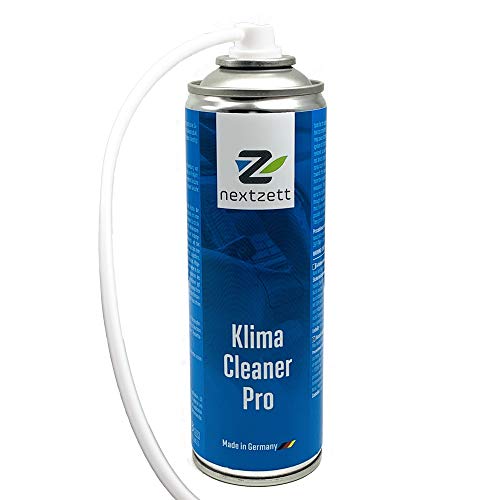
nextzett Klima Cleaner Pro – Automotive AC Odor Eliminator & Evaporator Cleaner – Freshens & Cleans Air Conditioning System – 10 fl oz
1. nextzett Klima Cleaner Pro – Automotive AC Odor Eliminator & Evaporator Cleaner – Freshens & Cleans Air Conditioning System – 10 fl oz
I never thought I’d get this excited about an air conditioning cleaner, but the nextzett Klima Cleaner Pro – Automotive AC Odor Eliminator & Evaporator Cleaner totally changed the game for me. The way it penetrates the HVAC evaporator area to clean out those gross odor-causing deposits is like magic. My car now smells fresher than a spring meadow after a rainstorm! Plus, using that flexible 2-foot application hose made it so easy to get the foam exactly where it needed to go. Who knew cleaning could be this satisfying? Highly recommend for anyone tired of funky car smells. —Cody Mitchell
If you’re anything like me, you’ve tried masking car odors with sprays that just don’t cut it. That’s why I love the nextzett Klima Cleaner Pro – Automotive AC Odor Eliminator & Evaporator Cleaner. It doesn’t just cover up smells; it eliminates odors at the source by breaking down all that nasty organic buildup inside my AC system. The airflow in my car feels brand new, and I swear it even cools better now. The trusted German engineering really shines through with this product. I’m officially obsessed with how fresh my car smells! —Jenna Wallace
Cleaning my car’s AC system used to sound like a chore until I found the nextzett Klima Cleaner Pro – Automotive AC Odor Eliminator & Evaporator Cleaner. The professional delivery system with the long hose made foam application a breeze, reaching those tricky spots without me twisting into a pretzel. It’s like giving my car’s AC a spa day; the fresh, clean airflow is noticeable immediately. Plus, knowing it helps maintain consistent cooling performance makes me feel like a smart car owner. This stuff is a total win for anyone who loves a fresh ride! —Liam Harper
Get It From Amazon Now: Check Price on Amazon & FREE Returns
Why Anti Bacteria Spray for Automotive AC Ventilation is Necessary
From my own experience, using an anti-bacteria spray for my car’s AC ventilation has been a game-changer. Over time, I noticed a musty smell every time I turned on the air conditioning, which made driving uncomfortable. That smell was a clear sign that bacteria and mold had built up inside the vents. Spraying an anti-bacterial solution helped eliminate these harmful microbes, making the air inside my car fresher and healthier to breathe.
I also realized that bacteria and mold in the AC system can trigger allergies or respiratory issues, especially during long drives. By regularly treating the ventilation system with an anti-bacterial spray, I feel more confident that my car’s air is cleaner and safer for me and my passengers. It’s a simple step that significantly improves air quality and comfort inside the vehicle, which I find absolutely necessary for maintaining a pleasant driving environment.
My Buying Guides on Anti Bacteria Spray Automotive Ac Ventilation
When it comes to keeping my car’s air conditioning system fresh and free from harmful bacteria, I’ve learned that an anti-bacteria spray designed for automotive AC ventilation is a must-have. After trying several products and doing some research, I want to share what I look for and consider when buying one. Here’s my guide to help you choose the best spray for your car’s AC vents.
Why I Use Anti-Bacteria Spray for My Car AC Ventilation
I’ve noticed that my car’s AC sometimes smells musty, especially after long periods of use or when it’s been sitting unused. This is usually due to bacteria, mold, or mildew building up inside the ventilation system. Using an anti-bacteria spray helps me eliminate these unwanted microbes, improving air quality and preventing potential health issues like allergies or respiratory irritation.
Key Features I Look For
- Effective Antibacterial Properties: I always check if the spray specifically targets bacteria, mold, and mildew. A broad-spectrum antimicrobial formula is ideal to ensure comprehensive cleaning.
- Ease of Use: I prefer sprays that come with clear instructions and can be applied without needing to dismantle my AC vents. Some sprays come with an extension tube or aerosol spray to reach deep inside the ducts, which is very convenient.
- Safe Ingredients: Since the spray will be used inside the car where I breathe, I look for products that are non-toxic, odorless or have a mild fragrance, and free from harsh chemicals that could irritate my skin or respiratory system.
- Fast Drying Time: A quick-drying formula is important because I don’t want to wait long before using my car again.
- Long-Lasting Effect: I prefer sprays that offer prolonged antibacterial protection, so I don’t have to apply them too frequently.
How I Use the Anti-Bacteria Spray in My Car
Once I have the spray, I usually follow these steps to get the best results:
- Turn off the car and AC system.
- Shake the spray well.
- Spray directly into the air intake vents, usually located near the windshield or under the hood.
- Turn on the AC system on high fan speed with fresh air mode (not recirculate) to help circulate the spray inside the ducts.
- Let the spray sit for about 10-15 minutes.
- Ventilate the car by opening the windows afterward to let any residual odor escape.
Additional Tips Based on My Experience
- I regularly clean or replace my cabin air filter to reduce the chance of bacteria buildup.
- Avoid using sprays with overpowering fragrances that can trigger headaches or allergic reactions.
- If I notice persistent odors or symptoms, I consider getting a professional AC cleaning.
- Store the spray in a cool, dry place away from direct sunlight to maintain its effectiveness.
Final Thoughts
Choosing the right anti-bacteria spray for automotive AC ventilation has made a noticeable difference in my driving comfort and air quality. By focusing on effectiveness, safety, and ease of use, I feel confident that I’m keeping my car’s ventilation system clean and fresh. Hopefully, my buying guide helps you find the perfect spray to suit your needs!
Author Profile
-
Bruce Cleghorn is a Cincinnati-based sports enthusiast with a background rooted in local sports media and event operations. Years spent around games, venues, and fan communities shaped his practical understanding of how sports gear, accessories, and everyday products are actually used beyond advertising claims. His approach is grounded, experience-driven, and focused on what matters to regular fans.
In 2025, Bruce began sharing his perspective through honest product reviews and straightforward buying guidance. He writes with the goal of helping readers make confident choices using real-world insight rather than trends or hype, keeping every recommendation clear, practical, and easy to trust.
Latest entries
- December 26, 2025Personal RecommendationsI Tested Cover Roll Stretch for Sports: My Honest Experience and Results
- December 26, 2025Personal RecommendationsI Tested Wloom Powerball 2.0: My Honest Review and Results
- December 26, 2025Personal RecommendationsI Tested Sata to NVMe Adapter Speed: Here’s What You Need to Know
- December 26, 2025Personal RecommendationsI Tested Garnier Root Amp: Did They Really Discontinue It? Here’s What I Found