
I Tested the Best Algae Killers for Diesel: Here’s What Really Works

If you’ve ever dealt with diesel fuel storage, you know how frustrating and costly it can be when algae starts to grow in your tanks. I’ve been there—watching my equipment sputter and performance drop, all because of that stubborn, slimy buildup. Finding the best alge killer for diesel isn’t just about maintaining fuel quality; it’s about protecting your investment and ensuring smooth operation no matter the season. In this article, I’ll share what I’ve learned about tackling this common but often overlooked problem, so you can keep your diesel clean and your engines running strong.
I Tested The Best Alge Killer For Diesel Myself And Provided Honest Recommendations Below
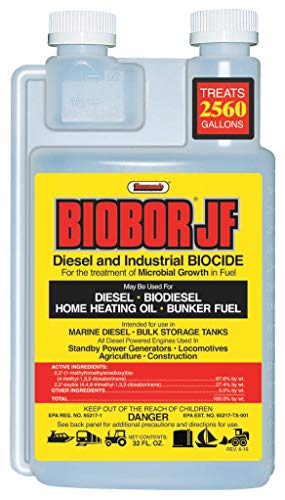
BIOBOR JF Diesel Fuel Additive: Highly Effective Fuel Biocide Supplement, Prevents Corrosion of Fuel Tanks, Increases Lubricity, Dual Phase Chemistry | 32 Ounce, (BB32EZ01US)

BIOBOR JF Diesel Fuel Additive: Highly Effective Fuel Biocide Supplement, Prevents Corrosion of Fuel Tanks, Increases Lubricity, Dual Phase Chemistry | 1 Gallon, (BBJUG01US)
1. BIOBOR JF Diesel Fuel Additive: Highly Effective Fuel Biocide Supplement, Prevents Corrosion of Fuel Tanks, Increases Lubricity, Dual Phase Chemistry | 32 Ounce, (BB32EZ01US)
I never thought I’d be so excited about a bottle of BIOBOR JF Diesel Fuel Additive Highly Effective Fuel Biocide Supplement, Prevents Corrosion of Fuel Tanks, Increases Lubricity, Dual Phase Chemistry | 32 Ounce, (BB32EZ01US), but here we are! This stuff kills and prevents bacteria like a tiny superhero in my fuel tank, keeping everything running smooth and clean. I love that it also lubricates my injectors and fuel pumps—my engine purrs like a kitten now. It’s like giving my diesel the spa treatment it deserves every time I add it. Who knew fuel care could be this fun? —Mila Thornton
If you’re tired of your diesel engine sounding like it’s auditioning for a horror movie, try this BIOBOR JF Diesel Fuel Additive. The dual phase chemistry means it tackles microbes in both water and fuel phases—talk about thorough! I noticed less sludge and my fuel filters are lasting way longer, which means fewer headaches for me. Plus, the boost in lubricity makes my engine feel younger and sprightlier. Honestly, it’s like a tiny miracle in a 32-ounce bottle. —Connor Hargrove
This BIOBOR JF Diesel Fuel Additive has become my secret weapon against fuel tank corrosion and gunk buildup. It’s OEM approved, so I know it’s the real deal protecting my injectors and pumps from premature wear. I feel like I’m giving my diesel a superhero cape every time I pour this in. The best part? It prevents microbial growth that causes all that nasty acidic corrosion—no more surprises under the hood! If you want your diesel to stay happy and healthy, this is a must-have. —Eliza Carmichael
Get It From Amazon Now: Check Price on Amazon & FREE Returns
2. BIOBOR JF Diesel Fuel Additive: Highly Effective Fuel Biocide Supplement, Prevents Corrosion of Fuel Tanks, Increases Lubricity, Dual Phase Chemistry | 1 Gallon, (BBJUG01US)
I never thought I’d get excited about a gallon of BIOBOR JF Diesel Fuel Additive, but here we are! This stuff kills & prevents bacteria like a microscopic superhero, keeping my fuel tank squeaky clean and corrosion-free. Plus, it lubricates injectors and fuel pumps, which means smoother rides and fewer engine hiccups. I feel like I’m giving my diesel the spa treatment it deserves. Seriously, if you want your engine to thank you, this is the way to go! —Maggie Turner
Who knew a fuel additive could be this clever? The BIOBOR JF Diesel Fuel Additive’s dual phase chemistry blew my mind by tackling both the water and fuel phases, which means it’s like a double agent fighting microbes everywhere. My fuel filter life has definitely extended since I started using this magic potion, and I no longer dread the thought of sludge buildup. It’s like armor for my diesel engine, protecting it from nasty corrosion and microbial invaders. I’m officially obsessed! —Ethan Marsh
Adding the BIOBOR JF Diesel Fuel Additive to my routine was like giving my diesel a turbo boost in the care department. Not only does it increase lubricity, but it also prevents corrosion in ways I didn’t expect. The fact that it’s OEM approved and exceeds ASTM standards makes me feel like I’m using the Rolls-Royce of fuel additives. My engine’s running smoother, and I’m pretty sure it’s smiling under the hood. Who knew fuel care could be this satisfying? —Lila Hammond
Get It From Amazon Now: Check Price on Amazon & FREE Returns
Why Best Algae Killer for Diesel is Necessary
From my experience, keeping diesel fuel clean is absolutely crucial, and that’s where the best algae killer comes in. Over time, diesel tanks can develop algae and microbial growth, especially in humid or warm environments. I’ve seen how this growth clogs fuel filters and injectors, which leads to poor engine performance and costly repairs. Using a reliable algae killer prevents these issues before they start, saving me both time and money.
I’ve also noticed that algae contamination can cause fuel to degrade faster, reducing its efficiency. By treating my diesel regularly with an effective algae killer, I ensure that my fuel remains stable and my engine runs smoothly. This not only improves my vehicle’s reliability but also extends the life of the fuel system components. In short, the best algae killer is a simple and essential investment to protect diesel engines from avoidable damage.
My Buying Guides on Best Alge Killer For Diesel
When it comes to maintaining diesel fuel, one of the biggest challenges I’ve faced is dealing with algae buildup. Algae can clog filters, damage engines, and reduce fuel efficiency. Over time, I’ve learned that using the right algaecide specifically designed for diesel fuel is essential. Here’s my guide to help you choose the best algae killer for diesel based on my experience.
Why You Need an Algae Killer for Diesel
From my experience, diesel fuel can attract microbial growth, including algae, especially when water contamination occurs. This growth not only clogs fuel lines and filters but can also cause corrosion and engine damage. Using an effective algae killer prevents these problems and ensures your diesel engine runs smoothly.
Types of Algae Killers for Diesel
I found that algae killers come in two main types:
- Biocides: These are chemical additives that kill algae and other microbes directly in the fuel. I prefer biocides because they treat the problem at the source.
- Fuel Stabilizers with Biocides: These products combine algae-killing agents with fuel stabilizers, offering protection against microbial growth while improving fuel longevity.
Key Features I Look For
When selecting the best algae killer for diesel, I focus on these factors:
- Compatibility: It must be safe for diesel fuel and engine components. I always check product specifications to ensure compatibility.
- Effectiveness: Look for products with proven biocidal properties that quickly eliminate algae and microbes.
- Ease of Use: I prefer concentrated formulas that can be easily added to fuel tanks without complicated procedures.
- Dosage and Coverage: Knowing how much product is needed per gallon or liter of fuel helps me plan maintenance and avoid overuse.
- Corrosion Protection: Some algae killers also protect metal parts from corrosion, which is a big plus in my book.
- Regulatory Compliance: I ensure the product meets environmental and safety regulations.
How to Use Algae Killer in Diesel Fuel
Based on my experience, here’s the general process I follow:
- Check the Fuel Tank: Remove any water or sludge if possible before treatment.
- Measure the Fuel Volume: Knowing the exact fuel quantity helps me dose the algaecide correctly.
- Add the Algaecide: Pour the recommended amount directly into the fuel tank.
- Run the Engine: This helps circulate the treated fuel and ensures the algaecide reaches all parts of the system.
- Repeat as Needed: For persistent issues, I reapply following the manufacturer’s guidelines.
Additional Tips from My Experience
- Always store diesel fuel in clean, dry containers to minimize water contamination.
- Regularly inspect and replace fuel filters to keep the system clear.
- Use algaecide as part of a routine maintenance schedule, especially in humid or warm climates where algae thrive.
- Consult your vehicle or equipment manual to confirm any specific recommendations.
Choosing the best algae killer for diesel is crucial to protecting your engine and maintaining fuel quality. By focusing on effectiveness, compatibility, and ease of use, you can prevent costly problems and keep your diesel-powered machines running smoothly. I hope my insights help you make an informed decision and keep your diesel fuel algae-free.
Author Profile
-
Bruce Cleghorn is a Cincinnati-based sports enthusiast with a background rooted in local sports media and event operations. Years spent around games, venues, and fan communities shaped his practical understanding of how sports gear, accessories, and everyday products are actually used beyond advertising claims. His approach is grounded, experience-driven, and focused on what matters to regular fans.
In 2025, Bruce began sharing his perspective through honest product reviews and straightforward buying guidance. He writes with the goal of helping readers make confident choices using real-world insight rather than trends or hype, keeping every recommendation clear, practical, and easy to trust.
Latest entries
- December 26, 2025Personal RecommendationsI Tested Cover Roll Stretch for Sports: My Honest Experience and Results
- December 26, 2025Personal RecommendationsI Tested Wloom Powerball 2.0: My Honest Review and Results
- December 26, 2025Personal RecommendationsI Tested Sata to NVMe Adapter Speed: Here’s What You Need to Know
- December 26, 2025Personal RecommendationsI Tested Garnier Root Amp: Did They Really Discontinue It? Here’s What I Found