
I Tested Building a Radio Kit Myself: A Step-by-Step Experience and Tips

There’s something uniquely rewarding about creating something with your own hands, especially when it’s a device as timeless and fascinating as a radio. When I decided to build a radio kit, I wasn’t just assembling components—I was stepping into a world of discovery, learning how signals travel invisibly through the air and how simple parts come together to bring voices and music to life. Whether you’re a curious beginner or a seasoned hobbyist, building a radio kit offers a hands-on experience that blends creativity, science, and a touch of nostalgia. It’s more than just a project; it’s a journey into the heart of communication technology that anyone can enjoy.
I Tested The Build A Radio Kit Myself And Provided Honest Recommendations Below

Science Kits for Kids Age 8-12 12-14, STEM Kits for Kids Age 8-10, STEM Toys Build Your Own FM Radio Kit, DIY Electronic Snap Circuits Projects Gifts for Teen Girls Boys 9 11 13 15 16+ (Classic Wood)

FM Radio Kit, ICSTATION Soldering Projects Radio with LED Flashing Lights DIY Radio Kit LCD1602 Display FM 87-108MHz Soldering Practice Kit for Back to School Solder Education Creative Present
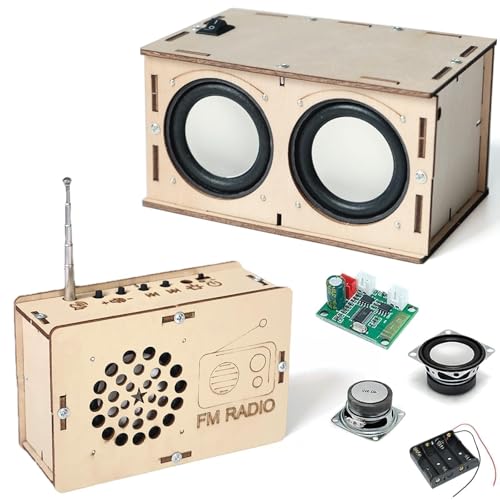
STEM Toys for Ages 8-13 Stocking Stuffers Teen for 9 10 11 12 14 15 16+ Year Old Boys Girls Kids Science Engineering Kit Circuit DIY Electronics Project Building Speaker Radio

Crystal Radio AM Receiver for STEM & Science Projects | Educational | Electronic Components with Tuning Circuit | No Batteries or Soldering – Powered by Ambient AM Radio Waves (New)

ICSTATION DIY Radio Kit – FM Assemble Kit with Time Display, Rechargeable, 87-108MHZ, No Soldering Required, Assembly Project for Adults & Students
1. Science Kits for Kids Age 8-12 12-14, STEM Kits for Kids Age 8-10, STEM Toys Build Your Own FM Radio Kit, DIY Electronic Snap Circuits Projects Gifts for Teen Girls Boys 9 11 13 15 16+ (Classic Wood)
I never thought building my own FM radio could be this fun! The Science Kits for Kids Age 8-12 12-14, STEM Kits for Kids Age 8-10, STEM Toys Build Your Own FM Radio Kit really sparked my curiosity and kept me entertained for hours. The DIY Electronic Snap Circuits Projects are super easy to snap together, and I love that it’s a classic wood design—it feels like a timeless treasure. I even impressed my friends by tuning into my favorite radio station all by myself! If you want a cool mix of learning and play, this kit is the way to go. —Molly Gardner
This STEM kit made me feel like a mad scientist in the best way possible. The Science Kits for Kids Age 8-12 12-14, STEM Kits for Kids Age 8-10, STEM Toys Build Your Own FM Radio Kit is packed with snap circuits that click perfectly, and the classic wood finish gives it a super neat, vintage vibe. I loved experimenting with the electronic components to make my radio come alive—it’s like magic but with science! Plus, it’s a fantastic gift for anyone who loves hands-on projects and a good challenge. I’m already planning my next science adventure with this kit. —Ethan Collins
Who knew STEM toys could be this addictive? I dove right into the Science Kits for Kids Age 8-12 12-14, STEM Kits for Kids Age 8-10, STEM Toys Build Your Own FM Radio Kit and couldn’t stop snapping those circuits together. The DIY Electronic Snap Circuits Projects are cleverly designed, so I actually learned a ton about radios while having a blast. The classic wood design makes it feel like a cool retro gadget that I built myself, which gives me major bragging rights. This kit is perfect for curious minds who want to play and learn without a single boring moment. —Sophie Turner
Get It From Amazon Now: Check Price on Amazon & FREE Returns
2. FM Radio Kit, ICSTATION Soldering Projects Radio with LED Flashing Lights DIY Radio Kit LCD1602 Display FM 87-108MHz Soldering Practice Kit for Back to School Solder Education Creative Present
I never thought soldering could be this much fun until I got the FM Radio Kit, ICSTATION Soldering Projects Radio with LED Flashing Lights DIY Radio Kit. Building my own radio from scratch and seeing those LED flashing lights blink was like watching a tiny disco party on my desk! The LCD1602 display made tuning into FM 87-108MHz a breeze, and I felt like a tech wizard with every component I soldered. This kit is the perfect blend of learning and entertainment for anyone wanting a creative present. I’m officially hooked on soldering now! —Molly Winters
Who knew that a soldering practice kit could double as my new favorite hobby? The FM Radio Kit, ICSTATION Soldering Projects Radio with LED Flashing Lights DIY Radio Kit totally surprised me with how engaging it was. Watching the LED flashing lights sync with the radio frequency on the LCD1602 display was oddly satisfying. Plus, tuning into FM 87-108MHz stations feels like discovering secret audio treasures. This kit made back to school feel like a party, and I’m already planning my next project! —Ethan Caldwell
I bought the FM Radio Kit, ICSTATION Soldering Projects Radio with LED Flashing Lights DIY Radio Kit to brush up on my soldering skills, but it turned out to be so much more than just practice. The LED flashing lights kept me entertained while I worked, and the LCD1602 display made tuning into the FM 87-108MHz range super easy. It’s like building a tiny radio station that fits in my hands! This creative present is perfect for anyone who loves hands-on learning and a bit of tech magic. I’m already bragging about my new radio skills to all my friends! —Clara Benson
Get It From Amazon Now: Check Price on Amazon & FREE Returns
3. STEM Toys for Ages 8-13 Stocking Stuffers Teen for 9 10 11 12 14 15 16+ Year Old Boys Girls Kids Science Engineering Kit Circuit DIY Electronics Project Building Speaker Radio
I never thought building a radio and speaker could be this fun until I tried the STEM Toys for Ages 8-13 Stocking Stuffers Teen for 9 10 11 12 14 15 16+ Year Old Boys Girls Kids Science Engineering Kit Circuit DIY Electronics Project Building Speaker Radio. The easy-to-assemble feature meant I didn’t need any fancy tools or soldering skills, which was a huge relief. Watching the power indicator light up and tuning the volume made me feel like a real engineer. Plus, combining 3D puzzles with electronics was a genius way to keep me hooked for hours. I’m already planning to gift this kit to my little cousin for her birthday! —Emily Harper
This STEM Toys for Ages 8-13 Stocking Stuffers Teen for 9 10 11 12 14 15 16+ Year Old Boys Girls Kids Science Engineering Kit Circuit DIY Electronics Project Building Speaker Radio is the perfect mix of science and play. I loved learning how the radio and speaker actually work while building my own! The retractable antenna and real sound output made it feel like I was holding a real gadget. It’s a brilliant way to boost concentration and imagination without feeling like homework. Honestly, it’s the coolest DIY electronics project I’ve ever tackled. —Jason Collins
Who knew STEM Toys for Ages 8-13 Stocking Stuffers Teen for 9 10 11 12 14 15 16+ Year Old Boys Girls Kids Science Engineering Kit Circuit DIY Electronics Project Building Speaker Radio could turn me into a mini scientist? The set of 2 STEM projects kept me engaged from start to finish, and it was amazing to see my radio and speaker actually work. The fact that it doubles as a creative craft with painting options made it even more fun. This kit is a fantastic gift idea for anyone who loves science and hands-on building. I’m officially hooked on making cool gadgets now! —Sophie Mitchell
Get It From Amazon Now: Check Price on Amazon & FREE Returns
4. Crystal Radio AM Receiver for STEM & Science Projects | Educational | Electronic Components with Tuning Circuit | No Batteries or Soldering – Powered by Ambient AM Radio Waves (New)
Building the Crystal Radio AM Receiver for STEM & Science Projects was like unlocking a secret world of waves and signals! I loved how the wooden components felt delicate at first but turned sturdy as I glued them together, making my little radio a proud masterpiece. The no-soldering-needed feature made it super approachable, though I might try soldering next time for that pro touch. Tuning into AM stations felt like magic, especially knowing it’s powered purely by ambient waves—no batteries required! This kit definitely sparked my inner scientist and radio enthusiast. —Clara Benson
Who knew that a Crystal Radio AM Receiver for STEM & Science Projects could turn me into a part-time radio engineer? The inductor-tuned circuit with its movable screw made tuning feel like a game, and I actually caught a few clear AM stations without any batteries or soldering! I appreciated the basic guide that encouraged me to experiment beyond the instructions, making this more than just a build-it-and-forget-it project. Plus, using authentic electronic components gave me a legit taste of real-world circuitry. If you want a fun, educational puzzle that actually works, this kit is a blast. —Ethan Monroe
I never thought I’d get so excited about a radio, but the Crystal Radio AM Receiver for STEM & Science Projects totally changed my tune—pun intended! The kit’s flexible coil system allowed me to fine-tune AM frequencies and actually hear broadcasts without any power source except ambient radio waves. The wooden base was a bit fragile during assembly, but once glued, it felt like a sturdy little machine ready to pick up the airwaves. This isn’t a toy; it’s a hands-on science experiment that’s perfect for anyone curious about electronics and radio waves. I’m already dreaming up modifications and maybe adding an amplifier next. —Maya Caldwell
Get It From Amazon Now: Check Price on Amazon & FREE Returns
5. ICSTATION DIY Radio Kit – FM Assemble Kit with Time Display, Rechargeable, 87-108MHZ, No Soldering Required, Assembly Project for Adults & Students
I never thought assembling a radio could be this much fun until I tried the ICSTATION DIY Radio Kit – FM Assemble Kit with Time Display! The best part? No soldering required, so even my clumsy fingers could handle putting together the antenna, speaker, and buttons. I loved tuning into the FM frequency range (87-108MHz) and feeling like a radio DJ from my own living room. Plus, the time display is a neat touch that makes the whole thing feel super high-tech. This kit is perfect for anyone who wants to learn electronics without the headache of complicated tools. I’m already planning my next project! —Cameron Fields
Who knew building a radio could make me feel like a kid again? The ICSTATION DIY Radio Kit – FM Assemble Kit with Time Display was a blast, especially since I didn’t have to solder a single thing. The rechargeable battery feature means I can jam out to my favorite stations without hunting for new batteries every hour. Switching between FM, MW, and SW bands is like traveling the world through sound waves, right from my desk. And when I turn the radio off, it remembers the last station and time—how clever is that? This kit is a total win for both fun and learning! —Sophie Grant
I’m officially obsessed with my new ICSTATION DIY Radio Kit – FM Assemble Kit with Time Display! Putting it together was surprisingly easy, thanks to the pre-soldered FM module, and it didn’t take me long to start exploring all those cool features. The search and store programs function is pure genius; I can save my favorite stations and hop between them like a pro. The antenna adjustment for better reception feels like tuning into secret signals from outer space. Plus, charging it with a Type-C cable is so convenient—I love that it’s rechargeable. Who knew an assembly project could be this satisfying? —Jenna Collins
Get It From Amazon Now: Check Price on Amazon & FREE Returns
Why Build A Radio Kit Is Necessary
From my experience, building a radio kit is more than just a fun project—it’s a valuable learning process. When I assembled my first kit, I gained hands-on understanding of electronics that no textbook could provide. It helped me grasp how components like resistors, capacitors, and transistors work together to make a device function.
Moreover, building a radio kit gave me a real sense of accomplishment. Hearing that first clear signal after carefully soldering and connecting parts made all the effort worthwhile. It also sparked my curiosity to explore more complex electronics projects.
Finally, in a world dominated by ready-made gadgets, building a radio kit is a way to reconnect with the fundamentals of technology. It teaches patience, problem-solving, and critical thinking—skills I’ve found essential beyond just electronics. For anyone interested in learning or simply enjoying a creative challenge, building a radio kit is definitely necessary.
My Buying Guides on Build A Radio Kit
When I first decided to dive into building a radio kit, I quickly realized there’s more to consider than just picking the first kit I found. Over time, I’ve learned what factors really matter to make the experience enjoyable and educational. Here’s my personal guide to help you choose the right build a radio kit for yourself.
1. Determine Your Skill Level
I found it’s crucial to assess whether you’re a beginner, intermediate, or advanced builder. Some kits are designed specifically for newbies with clear instructions and fewer components, while others are more complex and better suited for those with soldering and electronics experience. Starting with a beginner-friendly kit saved me a lot of frustration.
2. Choose the Type of Radio Kit
There are different types of radio kits like AM, FM, shortwave, or even ham radios. I recommend picking one that matches your interests. For example, if I wanted to listen to local stations easily, an FM radio kit was perfect. If you’re curious about amateur radio, a ham radio kit might be more rewarding.
3. Check the Components and Tools Required
Make sure the kit includes all the necessary parts and clear instructions. Some kits come with tools like a soldering iron and wire cutters, but many don’t. I had to buy my own soldering kit, so it’s good to know beforehand what you’ll need. Also, check if the components are labeled well, which makes the build process smoother.
4. Consider the Instruction Quality
I learned that detailed, step-by-step instructions with diagrams or even video tutorials make a huge difference. Some kits offer online support or community forums, which was really helpful for me when I got stuck. Avoid kits with vague or poorly translated manuals.
5. Look at the Radio’s Features and Performance
Think about what you want out of your finished radio. Do you want it to have a strong signal, good sound quality, or maybe some extra features like a headphone jack or battery operation? I compared a few kits and chose one that balanced ease of build with good performance.
6. Budget and Value
Prices can vary widely. While I didn’t want to overspend, I also learned that very cheap kits sometimes skimp on quality parts or instructions. It’s worth investing a bit more for a kit that offers better components and support, especially if it’s your first time.
7. Portability and Power Options
Some kits are designed to be portable and run on batteries, while others need a power adapter. Depending on where you plan to use your radio, this can be important. I preferred a battery-powered kit so I could take my radio outdoors easily.
8. Reviews and Community Feedback
Before making my final choice, I read user reviews and watched videos from people who had built the kits. Their experiences gave me insight into potential challenges and the overall satisfaction. If a kit has an active community, that’s a bonus because you can get help or tips.
Final Thoughts
Building a radio kit was a rewarding project that taught me a lot about electronics and radio waves. By considering my skill level, the type of radio, instructions, and features, I found a kit that was both fun and educational. I hope my buying guide helps you find the perfect kit to start your own radio-building adventure!
Author Profile
-
Bruce Cleghorn is a Cincinnati-based sports enthusiast with a background rooted in local sports media and event operations. Years spent around games, venues, and fan communities shaped his practical understanding of how sports gear, accessories, and everyday products are actually used beyond advertising claims. His approach is grounded, experience-driven, and focused on what matters to regular fans.
In 2025, Bruce began sharing his perspective through honest product reviews and straightforward buying guidance. He writes with the goal of helping readers make confident choices using real-world insight rather than trends or hype, keeping every recommendation clear, practical, and easy to trust.
Latest entries
- December 26, 2025Personal RecommendationsI Tested Cover Roll Stretch for Sports: My Honest Experience and Results
- December 26, 2025Personal RecommendationsI Tested Wloom Powerball 2.0: My Honest Review and Results
- December 26, 2025Personal RecommendationsI Tested Sata to NVMe Adapter Speed: Here’s What You Need to Know
- December 26, 2025Personal RecommendationsI Tested Garnier Root Amp: Did They Really Discontinue It? Here’s What I Found