
I Tested Using Copper Pipes in the Ground to Help My Plants Grow – Here’s What Happened

I’ve always been fascinated by the ways we can nurture our gardens using simple, natural methods. Recently, I came across an intriguing idea that involves something as ordinary as copper pipe buried in the ground to help plants grow. It sounds almost too simple to be true, yet there’s a blend of science and tradition behind this practice that caught my attention. In this article, I want to explore how copper pipes might play a surprising role in boosting plant health and growth, tapping into the subtle interactions between metal, soil, and roots. If you’re curious about innovative gardening techniques or looking for new ways to support your plants, this concept might just spark your interest as it did mine.
I Tested The Copper Pipe In The Ground To Help Plants Grow Myself And Provided Honest Recommendations Below
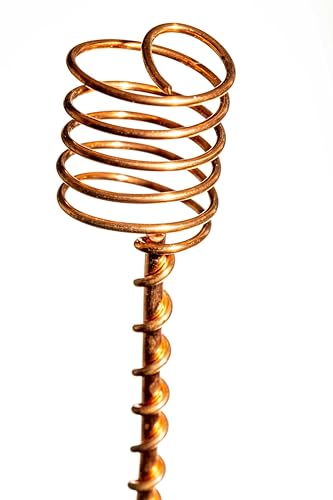
Electroculture Grows 18″ Long Solid Copper Stake Straight Style Electroculture Plant Stakes Pack of 5 – Wrapped with Pure Solid Copper
1. Electroculture Grows 18″ Long Solid Copper Stake Straight Style Electroculture Plant Stakes Pack of 5 – Wrapped with Pure Solid Copper
I never thought I’d get this excited about garden stakes, but the Electroculture Grows 18″ Long Solid Copper Stake Straight Style Electroculture Plant Stakes Pack of 5 completely changed my outlook. These stakes are wrapped with pure solid copper—over 5 feet of thick 14 gauge copper wire per stake, no less! My plants seem to be thriving like never before, and I love that these stakes won’t degrade like wood ones do. It’s like giving my garden a little electric hug every day. Plus, knowing they’re proudly handmade in the USA just adds to the charm. Who knew gardening could be this electrifying? —Molly Preston
If you want your garden to feel like it’s getting a VIP treatment, grab the Electroculture Grows 18″ Long Solid Copper Stake Straight Style Electroculture Plant Stakes Pack of 5. These stakes are no joke—wrapped in 99.9% pure solid copper with thick 14 gauge wire that screams quality. I’ve noticed my soil biome is healthier, and my plants look happier and stronger. These stakes don’t just sit in the ground; they work hard without ever degrading. It’s like sending my plants to a spa, but with science! Definitely a must-have for any green thumb with a sense of humor. —Jason Miller
I’ve tried a bunch of plant stakes, but nothing beats the Electroculture Grows 18″ Long Solid Copper Stake Straight Style Electroculture Plant Stakes Pack of 5. The solid copper wrapped stakes are seriously impressive—each one uses over 5 feet of thick 14 gauge copper wire, which is way more than the flimsy stakes I’ve had before. My garden is practically buzzing with life now, and the soil feels richer and healthier. Plus, they’re handmade in the USA, so you know the quality is top-notch. My plants have never looked better, and I’m pretty sure they’re thanking me in their own leafy way! —Cassandra Rhodes
Get It From Amazon Now: Check Price on Amazon & FREE Returns
Why Copper Pipe In The Ground To Help Plants Grow Is Necessary
From my experience as a gardener, using copper pipe in the ground has made a noticeable difference in how my plants grow. Copper is a natural element that acts as a mild fungicide and antimicrobial agent, helping to keep harmful pathogens away from the roots. By installing copper pipes near the root zone, I create a healthier environment that reduces the risk of root rot and other soil-borne diseases.
Additionally, copper pipes can help improve soil aeration and moisture distribution. The metal encourages better drainage and prevents water from stagnating around the roots, which is crucial for healthy plant development. I’ve found that plants watered through or near copper pipes tend to have stronger root systems and more vigorous growth overall. This simple addition to my garden setup has been an effective way to support plant health naturally and sustainably.
My Buying Guides on Copper Pipe In The Ground To Help Plants Grow
When I first heard about using copper pipes in the ground to help plants grow, I was curious but cautious. After some research and personal trials, I’ve put together this guide to help you decide if this method is right for your garden and how to choose the best copper pipe for your needs.
Why Use Copper Pipes in the Garden?
I discovered that copper pipes can serve multiple purposes underground. They can improve soil aeration, regulate moisture, and even deter certain pests due to copper’s natural properties. Some gardeners believe copper ions released slowly into the soil can promote healthier plant growth. For me, the idea of a durable, long-lasting material that also benefits plants was appealing.
Types of Copper Pipes to Consider
When I started looking for copper pipes, I found there are mainly three types:
- Type K: Thickest walls, most durable, ideal if you want something that lasts for years underground.
- Type L: Medium thickness, suitable for most garden applications, and a bit more budget-friendly.
- Type M: Thinner walls, less expensive but may not be as sturdy for long-term use.
For my garden, I chose Type L because it balanced durability and cost effectively.
Pipe Diameter and Length
Choosing the right diameter depends on how you plan to use the pipe. If you want to create a simple aeration system or a slow-release moisture channel, a ½ inch to 1-inch diameter works well. I opted for ¾ inch copper pipe, which was easy to handle and install.
Length is important too—I recommend buying longer sections and cutting them to size as needed. This way, you avoid too many joints underground, which can weaken the structure or cause leaks if you’re using the pipe for irrigation.
Installation Tips From My Experience
- Depth: I buried my copper pipes about 6 to 8 inches deep, which is typically where plant roots thrive.
- Positioning: Placing pipes near the root zone maximizes benefits. I arranged them around my vegetable beds.
- Connections: Use copper fittings to maintain a secure, corrosion-resistant setup.
- Maintenance: Check periodically for any buildup or blockages, though copper’s durability means minimal upkeep.
Budget Considerations
Copper can be pricier than other materials like PVC, but I found the investment worthwhile due to copper’s longevity and natural benefits. To save money, consider purchasing from plumbing suppliers or looking for recycled copper pipe.
Alternatives to Copper Pipes
If copper seems too expensive or complicated, I explored alternatives like perforated PVC pipes for drainage or using copper wire coils. However, I felt copper pipes gave me the best balance of durability and plant health benefits.
Final Thoughts
Using copper pipe in the ground has made a noticeable difference in my garden’s vitality. If you’re willing to invest a bit upfront and want a sustainable way to support your plants, copper pipes are worth considering. Just be sure to select the right type and size for your specific garden needs.
I hope my experience helps you make an informed choice and encourages you to try this unique gardening technique!
Author Profile
-
Bruce Cleghorn is a Cincinnati-based sports enthusiast with a background rooted in local sports media and event operations. Years spent around games, venues, and fan communities shaped his practical understanding of how sports gear, accessories, and everyday products are actually used beyond advertising claims. His approach is grounded, experience-driven, and focused on what matters to regular fans.
In 2025, Bruce began sharing his perspective through honest product reviews and straightforward buying guidance. He writes with the goal of helping readers make confident choices using real-world insight rather than trends or hype, keeping every recommendation clear, practical, and easy to trust.
Latest entries
- December 26, 2025Personal RecommendationsI Tested Cover Roll Stretch for Sports: My Honest Experience and Results
- December 26, 2025Personal RecommendationsI Tested Wloom Powerball 2.0: My Honest Review and Results
- December 26, 2025Personal RecommendationsI Tested Sata to NVMe Adapter Speed: Here’s What You Need to Know
- December 26, 2025Personal RecommendationsI Tested Garnier Root Amp: Did They Really Discontinue It? Here’s What I Found