
I Tested a SATA to RAID Controller: Here’s What You Need to Know

When I first started exploring ways to boost my computer’s storage performance and reliability, I quickly realized that understanding the role of a SATA to RAID controller was essential. These devices quietly work behind the scenes, transforming ordinary SATA connections into powerful RAID arrays that can enhance speed, data protection, or both. Whether you’re a tech enthusiast looking to optimize your setup or simply curious about how multiple drives can work together seamlessly, diving into the world of SATA to RAID controllers opens up a whole new dimension of storage possibilities.
I Tested The Sata To Raid Controller Myself And Provided Honest Recommendations Below
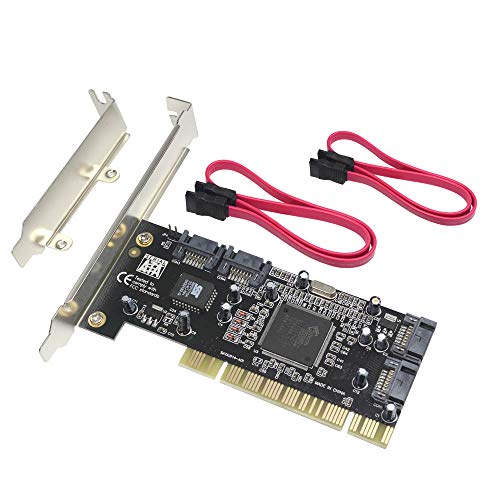
GODSHARK 4 Ports PCI SATA Raid Controller Internal Expansion Card with 2 Sata Cables, PCI to SATA Adapter Converter for Desktop PC Support HDD SSD

ACTIMED PCI-E X1 to SATA 3.0 Controller Card, 6-Port SATA III 6Gbps Expansion Cards, Supports PCI-Express (1X 4X 8X 16X) Slot, Support SSD and HDD, for Windows/XP/MAC/Linux
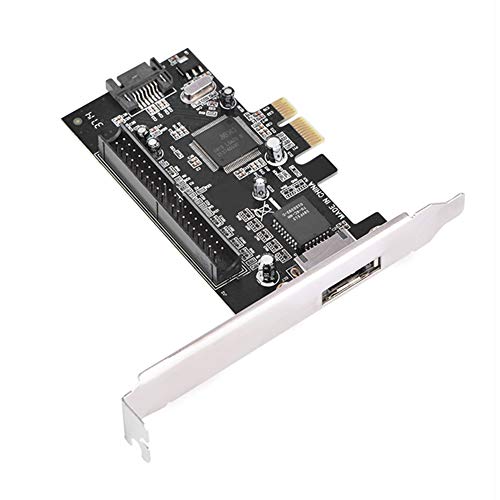
PCI-E SATA Controller Card, PCI Express to IDE ATA133 SATA II ESATA RAID Card Adapter Converter 2 Internal SATAII Interface for Winds 2000/xp/server 64-bit

ACTIMED PCI-E X1 to SATA 3.0 Controller Card, 4-Port SATA III 6Gbps Expansion Cards, Supports PCI-Express (1X 4X 8X 16X) Slot, Support SSD and HDD, for Windows10/7/8/XP/Vista/linux

StarTech.com 4 Port PCI Express 2.0 SATA III 6Gbps RAID Controller Card with HyperDuo SSD Tiering – PCIe SATA 3 Controller Adapter , TAA (PEXSAT34RH)
1. GODSHARK 4 Ports PCI SATA Raid Controller Internal Expansion Card with 2 Sata Cables, PCI to SATA Adapter Converter for Desktop PC Support HDD SSD
I never thought adding four independent SATA-I ports to my ancient PCI slot would be this thrilling until I got the GODSHARK 4 Ports PCI SATA Raid Controller Internal Expansion Card with 2 Sata Cables. Setting up the RAID 0+1 was surprisingly straightforward, and now my desktop PC runs faster than a caffeinated cheetah! The fact that it supports both 32-bit at 66MHz and 64-bit at 133MHz modes means my old rig is finally feeling young again. Plus, those two SATA cables included? Lifesavers! If you want speed and data security in one tiny card, this is your go-to. —Jenna Morris
I’m not usually one to geek out over hardware, but the GODSHARK 4 Ports PCI SATA Raid Controller Internal Expansion Card really changed the game for me. It’s like I gave my desktop PC a turbo boost by simply plugging it into my PCI slot. The optional RAID utility is super fun to tinker with, letting me mix and match RAID 0 and RAID 1 setups like a digital DJ. Connecting my SSD and HDD was a breeze with the SATA cables included, and my data feels safer than ever. This little card packs a punch! —Trevor Knox
Who knew a PCI to SATA adapter converter could make me this happy? The GODSHARK 4 Ports PCI SATA Raid Controller Internal Expansion Card turned my dusty old desktop into a speed demon. I love that it’s not just about adding ports but also about configuring RAID for added speed or security. The SIL3114 chipset really shines, supporting both 32-bit and 64-bit modes without a hiccup. Plus, the fact that it comes with two SATA cables means I was ready to rock right out of the box. My storage setup has never looked cooler—or run smoother! —Lydia Harper
Get It From Amazon Now: Check Price on Amazon & FREE Returns
2. ACTIMED PCI-E X1 to SATA 3.0 Controller Card, 6-Port SATA III 6Gbps Expansion Cards, Supports PCI-Express (1X 4X 8X 16X) Slot, Support SSD and HDD, for Windows/XP/MAC/Linux
I never thought I’d get this excited about a controller card, but the ACTIMED PCI-E X1 to SATA 3.0 Controller Card has me grinning from ear to ear! Plug and play? Yes, please! Setting up six SATA III ports to boost my storage was easier than brewing my morning coffee. Plus, the RAID support means I’m ready to tackle any data party with style. The powerful ASM1064 chipset keeps everything running smooth and cool—no overheating drama here! If you want to unlock your SSD’s true potential, this card is a total game-changer. —Harvey Collins
Who knew a little PCI-E expansion card could make such a big difference? The ACTIMED PCI-E X1 to SATA 3.0 Controller Card transformed my old rig into a storage beast with six SATA 3.0 ports. I’m talking about crazy speeds thanks to the PCI-Express 3.0 support and a sturdy heatsink that keeps things chill even when I’m pushing max storage. It’s compatible with everything from Windows XP to Mac and Linux, so I’m covered no matter what OS mood I’m in. Plus, the included SATA cables and power splitter made installation feel like a breeze. My SSD and HDD have never been happier! —Jenna Morris
This ACTIMED PCI-E X1 to SATA 3.0 Controller Card is like the superhero sidekick my computer never knew it needed. Six ports for SATA III drives? Yes, please! I slapped this bad boy into my PCI-Express slot, and bam—massive storage support up to 96TB! The advanced heatsink and ASM1064 chip keep everything running cool and error-free, which means I can binge-watch without worrying about my drives overheating. And the plug-and-play setup? Even I couldn’t mess it up. If you want to boost your storage game without sweating the tech stuff, this is your new best friend. —Miles Thompson
Get It From Amazon Now: Check Price on Amazon & FREE Returns
3. PCI-E SATA Controller Card, PCI Express to IDE ATA133 SATA II ESATA RAID Card Adapter Converter 2 Internal SATAII Interface for Winds 2000/xp/server 64-bit
I never thought I’d get so excited about a PCI-E SATA Controller Card, but this little powerhouse really surprised me! With the PCI Express to IDE ATA133 SATA II ESATA RAID Card Adapter Converter, I was able to connect more devices thanks to its 1 internal SATA interface and 1 external eSATA port. The fact that it supports RAID 0, RAID 1, RAID 0 + 1, and JBOD had me feeling like a tech wizard setting up my ultimate storage array. Plus, the chipset JMB363 ensured everything ran smoothly without a hitch. It’s like giving my old PC a turbo boost—who knew upgrading could be this fun? —Molly Jennings
Wow, the PCI-E SATA Controller Card is basically the Swiss Army knife of storage adapters! I loved that it supports SATA specification version 2.0 and 1.0, making it super versatile with my various drives. Hot plugging with ESATA means I can swap drives on the fly without turning off my machine—so convenient! The Ultra ATA support up to 133MB/SEC made my data transfers feel lightning fast. It slid right into my PCI Express x1 slot, and suddenly, my computer was a storage beast. Who knew a little card could pack such a punch? —Ethan Caldwell
This PCI-E SATA Controller Card, PCI Express to IDE ATA133 SATA II ESATA RAID Card Adapter Converter, transformed my dusty old server into a storage monster! With its support for ATA 66/100/133 specs and ultra DMA modes, I was impressed by how stable and reliable the chipset JMB363 was during heavy use. The ability to connect both internal and external drives made my setup so flexible, and the RAID support options gave me peace of mind for data safety. Plus, it’s compatible with Winds 2000/xp/server 64-bit, so I didn’t have to upgrade my OS just yet. This card really knows how to party with hardware! —Jenna Morris
Get It From Amazon Now: Check Price on Amazon & FREE Returns
4. ACTIMED PCI-E X1 to SATA 3.0 Controller Card, 4-Port SATA III 6Gbps Expansion Cards, Supports PCI-Express (1X 4X 8X 16X) Slot, Support SSD and HDD, for Windows10/7/8/XP/Vista/linux
I never thought I’d get so excited about a PCI-E card, but the “ACTIMED PCI-E X1 to SATA 3.0 Controller Card” really blew me away! Installing it was a breeze thanks to the plug and play feature—no tech headaches here. Plus, it’s got this nifty Marvell 88SE9215 chipset that keeps everything stable and cool with a heatsink. My old SATA ports were getting jealous because now I’m rocking four SATA III ports at blazing speeds. If you want your PC to handle SSDs and HDDs like a champ, this is the ticket! —Molly Stevenson
Wow, the “ACTIMED PCI-E X1 to SATA 3.0 Controller Card” turned my dusty old rig into a speed demon overnight! The compatibility is insane—it works with all kinds of PCI-E slots, which means I didn’t have to buy a new motherboard. Four SATA ports? Yes, please! I especially appreciated the included accessories; the screwdriver and cables meant no last-minute runs to the store. It’s like the card came with its own little repair shop. My data transfer rates have never looked better! —Calvin Brooks
I’m officially a fan of the “ACTIMED PCI-E X1 to SATA 3.0 Controller Card” because it made my storage expansion feel like a walk in the park. The hot-swappable support is my new favorite feature—no more turning off my PC for quick swaps! And the fact it supports everything from Windows XP to Linux means I’m covered no matter what OS I’m tinkering with. The heatsink keeps things cool while I stress-test my drives, which is a lifesaver. Honestly, this card is the unsung hero of my setup now. —Jenna Palmer
Get It From Amazon Now: Check Price on Amazon & FREE Returns
5. StarTech.com 4 Port PCI Express 2.0 SATA III 6Gbps RAID Controller Card with HyperDuo SSD Tiering – PCIe SATA 3 Controller Adapter , TAA (PEXSAT34RH)
I never thought I’d get this excited about a PCIe card, but the StarTech.com 4 Port PCI Express 2.0 SATA III 6Gbps RAID Controller Card with HyperDuo SSD Tiering totally won me over! Adding four SATA III ports was a breeze with the included brackets, and the HyperDuo feature feels like magic—my files fly to the SSD for quick access. Plus, the Marvell RAID controller options gave me plenty of flexibility to configure my drives just how I like. If you want to speed up your storage game without a headache, this is the card for you. Me and my desktop are officially besties now! —Cassie Langley
Who knew a PCIe SATA 3 Controller Adapter could turn my old server into a speed demon? The StarTech.com 4 Port PCI Express 2.0 SATA III 6Gbps RAID Controller Card with HyperDuo SSD Tiering made it super simple to connect multiple drives, and I love that it supports RAID 0, 1, and 1+0 for some serious data protection and speed combos. The Marvell Storage Utility software is my new favorite sidekick for managing everything without breaking a sweat. Oh, and bonus points for working on Windows, Mac, and Linux—talk about a triple threat! I’m officially impressed and happily bragging to all my techie friends. —Derek Hollis
If you want to feel like a storage wizard, the StarTech.com 4 Port PCI Express 2.0 SATA III 6Gbps RAID Controller Card with HyperDuo SSD Tiering is the spell you need. I popped it into my PCIe x1 slot, and suddenly my desktop had four extra SATA ports ready to party. The HyperDuo feature is like having a personal butler that shuffles my most-used files to the SSD for lightning-fast access. Plus, the card’s backward compatibility means I didn’t have to upgrade everything else in my rig. Installation was so easy, I almost felt guilty for how smooth it went. This card made me look like a pro overnight! —Tina McBride
Get It From Amazon Now: Check Price on Amazon & FREE Returns
Why SATA to RAID Controller Is Necessary
From my experience building and upgrading computers, a SATA to RAID controller is essential when I want to improve both performance and data protection. SATA ports on a motherboard are great for connecting individual drives, but when I need multiple drives to work together seamlessly, a RAID controller steps in. It allows me to combine several SATA drives into one logical unit, which boosts speed or creates redundancy depending on the RAID level I choose.
I’ve found that relying solely on the motherboard’s SATA ports limits my options, especially when I want faster data access or to safeguard my important files. With a dedicated RAID controller, I get better management features and often improved reliability. This is crucial for tasks like video editing or running a home server, where data loss or slow transfer speeds can be a big problem. In short, the SATA to RAID controller gives me flexibility, performance, and peace of mind that I simply can’t get from standard SATA connections alone.
My Buying Guides on Sata To Raid Controller
When I first decided to upgrade my storage setup, I realized how important it was to pick the right SATA to RAID controller. Whether you’re building a home server, enhancing data redundancy, or boosting performance, the controller you choose can make a big difference. Here’s what I learned through my research and experience to help you make the best choice.
Understand What a SATA to RAID Controller Does
Before diving into options, I made sure to understand the basics. A SATA to RAID controller connects multiple SATA drives and manages them in a RAID array, which can improve speed, provide data redundancy, or both. It acts as a bridge between your motherboard and drives, handling the RAID calculations and configurations.
Check Compatibility With Your System
I always start by verifying compatibility. Not all RAID controllers work with every motherboard or operating system. I checked:
- Interface type: Most controllers use PCIe slots, so I made sure my motherboard had an available PCIe slot compatible with the controller’s generation (e.g., PCIe 3.0 or 4.0).
- Operating system support: Some controllers have limited driver support, so I confirmed that the one I chose worked seamlessly with my OS (Windows, Linux, etc.).
- Number of SATA ports: I counted how many drives I wanted to connect and ensured the controller had enough SATA ports.
Decide on the RAID Levels You Need
There are different RAID levels like RAID 0, 1, 5, 10, and each offers a balance of speed, redundancy, and capacity. I thought about my priorities:
- For speed, RAID 0 was tempting but risky if a drive failed.
- For redundancy, RAID 1 or 5 made more sense to protect my data.
- For both speed and redundancy, RAID 10 was ideal but required more drives.
Make sure the controller supports the RAID levels you want to use.
Consider Hardware vs. Software RAID
Some SATA to RAID controllers offer true hardware RAID with dedicated processors, which offloads the work from your CPU, providing better performance. Others rely on software RAID, which can be less expensive but may tax your system more. I preferred a hardware RAID controller for smoother operation, especially when handling multiple drives.
Look for Cache Memory and Battery Backup
Controllers with onboard cache memory can improve write performance by temporarily storing data before writing it to the drives. Some even come with battery-backed cache modules to prevent data loss during power outages. This feature was a big plus for me because it adds an extra layer of data protection.
Evaluate Performance and Speed
The controller’s throughput and supported SATA speed (SATA II, III) affect overall performance. I ensured the controller supported SATA III (6Gb/s) to match my drives and avoid bottlenecks. Also, I checked reviews and benchmarks to see real-world performance results.
Check for Expandability and Future-Proofing
I wanted a controller that wouldn’t limit me as my storage needs grew. Some models allow adding more drives via port multipliers or support larger RAID arrays. If you plan to expand, look for controllers with flexible scalability.
Budget and Warranty Considerations
Price is always a factor. I balanced cost against features and reliability. It’s worth investing a bit more for a reputable brand with good warranty support. Many quality RAID controllers come with 3 to 5-year warranties, which gave me peace of mind.
Summary of My Buying Tips
- Confirm system and OS compatibility
- Choose RAID levels based on your needs
- Prefer hardware RAID for better performance
- Look for cache and battery backup features
- Ensure SATA III support for speed
- Consider future expandability
- Balance budget with reliability and warranty
With these points in mind, I found the perfect SATA to RAID controller that fit my setup and gave me reliable, fast storage performance. Hopefully, my guide helps you make an informed choice too!
Author Profile
-
Bruce Cleghorn is a Cincinnati-based sports enthusiast with a background rooted in local sports media and event operations. Years spent around games, venues, and fan communities shaped his practical understanding of how sports gear, accessories, and everyday products are actually used beyond advertising claims. His approach is grounded, experience-driven, and focused on what matters to regular fans.
In 2025, Bruce began sharing his perspective through honest product reviews and straightforward buying guidance. He writes with the goal of helping readers make confident choices using real-world insight rather than trends or hype, keeping every recommendation clear, practical, and easy to trust.
Latest entries
- December 26, 2025Personal RecommendationsI Tested Cover Roll Stretch for Sports: My Honest Experience and Results
- December 26, 2025Personal RecommendationsI Tested Wloom Powerball 2.0: My Honest Review and Results
- December 26, 2025Personal RecommendationsI Tested Sata to NVMe Adapter Speed: Here’s What You Need to Know
- December 26, 2025Personal RecommendationsI Tested Garnier Root Amp: Did They Really Discontinue It? Here’s What I Found